A log burner earns its keep. It warms the room you actually sit in, gives a power-cut back-up, and turns a cold corner of the house into the place everyone gravitates towards after dinner. But between the idea and the first fire, there is a set of rules and practical checks that decide whether the job is straightforward or a headache.
Most of the problems people run into are avoidable, and almost all of them are cheaper to sort out before a hole appears in the wall. Here is what to get straight in the UK.
Large parts of urban Britain — most of London, plus many towns and city suburbs across England, Scotland and Wales — are designated smoke control areas under the Clean Air Act 1993. Inside one of those areas, you may only burn authorised fuels, or use an appliance that has been formally exempted for use there.
That is what a "DEFRA exempt" or "DEFRA approved" stove actually means. It is not a general badge for clean burning; it is permission to emit smoke from a chimney in a controlled zone. Assuming a modern stove is automatically allowed is one of the most common mistakes.
A quick call or email to your council's environmental health team will confirm whether your address is inside an area. If it is, choose an exempt appliance and stick to authorised fuels. Burning wet wood in an exempt stove can still land you in trouble, and local authorities can issue fines for smoke leaving a chimney in a controlled zone.
Every stove needs a flue that suits it. An existing chimney may be unlined, leaking, oversized or shared with a neighbouring property, and any of those will affect how the stove performs. Have it swept and inspected before you commit to anything — a smoke test will show up cracks and leaks that a visual check misses.
Where relining is needed, a flexible stainless steel liner matched to the stove's outlet diameter is the usual answer, insulated where the chimney runs externally or sits in a cold part of the house. A liner that is too large lets flue gases cool too quickly, which leads to poor draw, tar build-up and smoke spillage into the room when you open the door.
The flue outlet has to be high enough to clear the roof and draw reliably, and positioned so it is not dragging smoke back in through a window, vent or neighbouring roofline. Approved Document J sets out the distances for England and Wales, and your installer will know them. On exposed sites, an anti-downdraught cowl can help, though it should never be used to paper over an underlying flue problem.
A solid fuel appliance needs a permanent supply of combustion air. In an old, draughty house there may already be enough. In a modern, airtight property there almost certainly is not, and a dedicated air brick or duct will be part of the installation.
Two things catch people out here. First, the vent must stay open — never block it because the room feels chilly. Second, kitchen or bathroom extractor fans in the same room can compete with the stove for air and pull smoke back down the flue. Where that is a risk, your installer may recommend a test or an interlock.
The hearth is the part most often underestimated. Solid fuel appliances need a constructional hearth of non-combustible material, thick enough to protect the floor beneath and large enough to give the clearances the manufacturer specifies in front of and to the sides of the stove.
Clearances to combustible materials matter just as much. Manufacturer's instructions give minimum distances to the sides and rear, and reducing them means heat shields and careful measurement — rarely worth the risk for a few extra centimetres of floor space. Think about what sits above and around the stove too: timber studwork, skirting boards, floating shelves and wall-mounted televisions all count. If your property is timber-framed, or the stove is going against a stud wall, raise it with your installer early.
Building regulations apply to log burner installations, with Approved Document J covering combustion appliances and fuel storage in England and Wales. Scotland and Northern Ireland have their own equivalents. There are two routes to compliance:
A carbon monoxide alarm in the same room as the appliance is a requirement for solid fuel installations, and it is worth fitting regardless. Tell your home insurer once the work is done. If you live in a listed building or a conservation area, external flues and any alteration to a chimney may need consent, so speak to the planning department before ordering materials. For anything structural or legal, take advice from your local building control team and a registered installer rather than relying on a forum thread.
An oversized stove is the single most common cause of disappointment. It gets turned right down, burns cool, smokes and coats the flue with tar, because the fire never reaches a decent working temperature. Work out the heat your room actually needs rather than buying the largest stove that fits the opening.
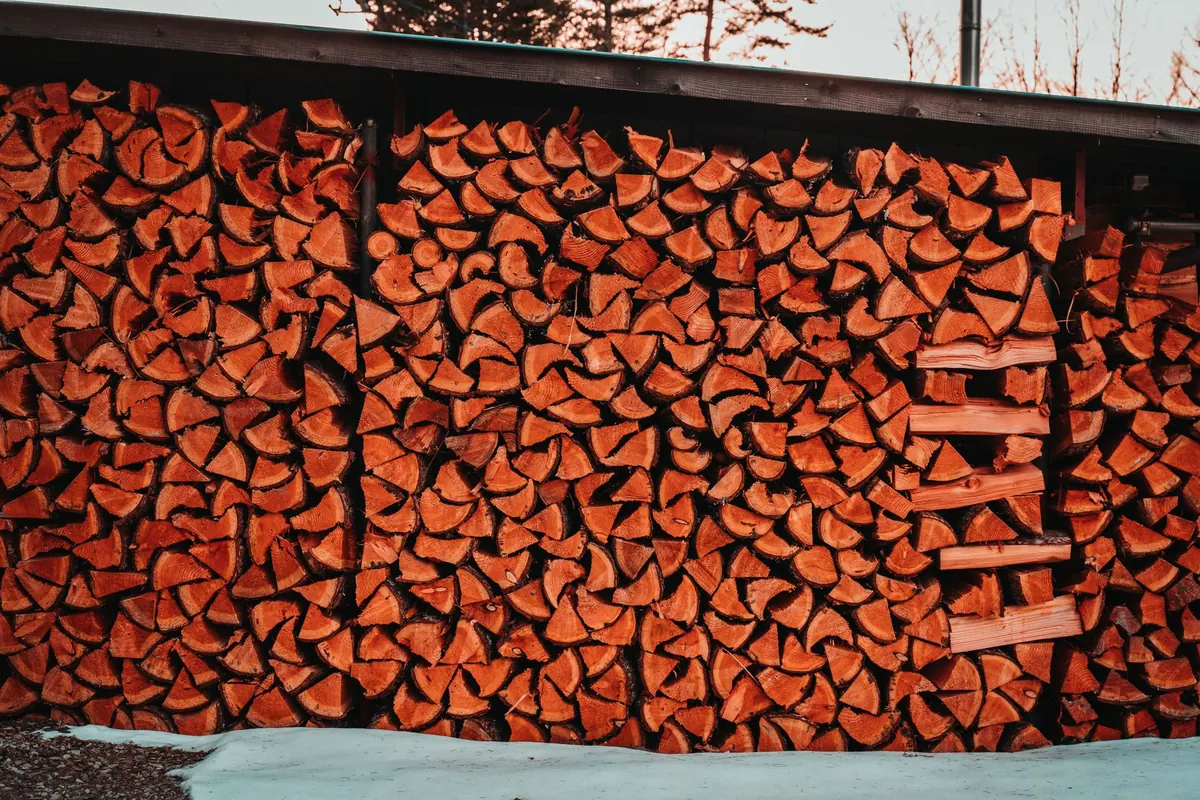
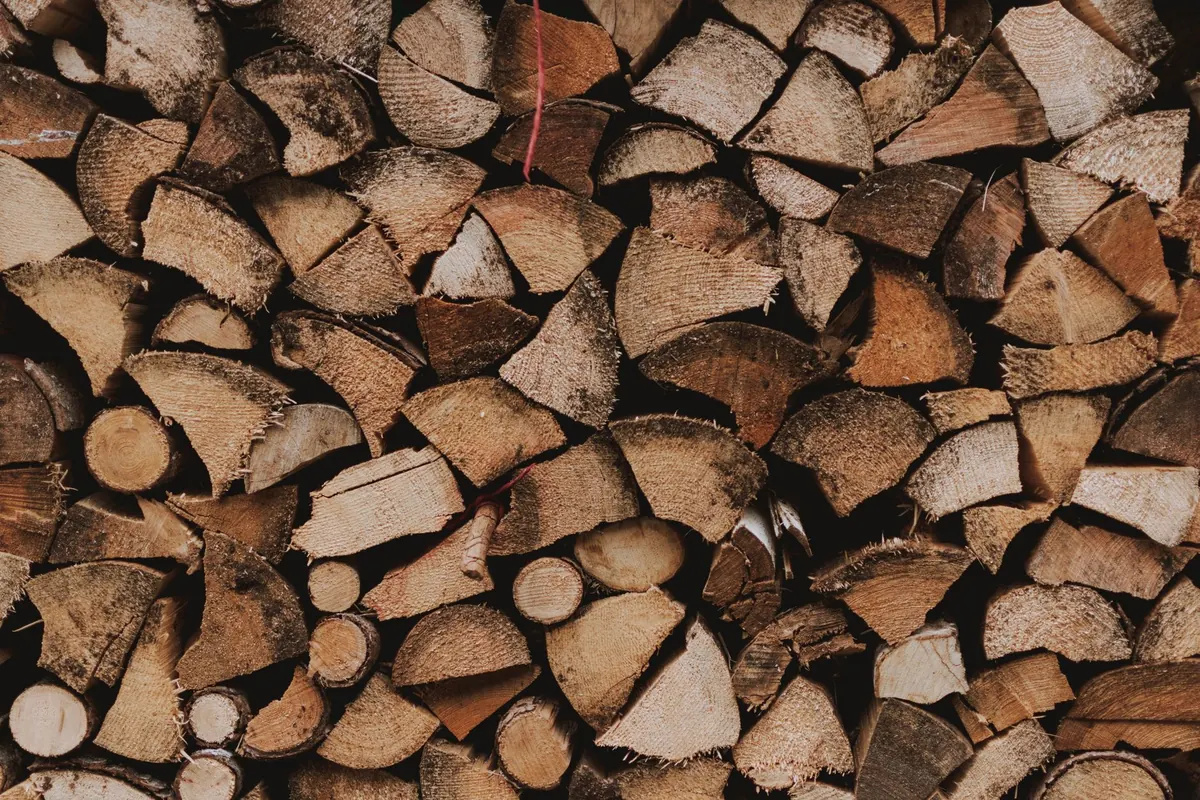
On fuel: seasoned wood with a moisture content below about 20 per cent, kiln-dried logs, or a smokeless fuel where appropriate. A cheap moisture meter takes the guesswork out of it. Unseasoned wood wastes most of its energy boiling off water and sends the rest up the chimney as tar. Have the chimney swept at least once a year, and more often if the stove is your main source of heat.
If anything in that list depends on the quirks of your property — a shared flue, a thatched roof, a listed facade — ask before you commit. Amending a plan costs an afternoon. Amending a chimney costs considerably more.
Photo: Magda Ehlers / Pexels