Lighting a log burner is not difficult, but doing it well is a skill, and you notice the difference within minutes. A properly built fire catches quickly, settles into steady flames instead of a sulky smoulder, and gives you more heat from less wood. It also produces far less smoke, which keeps the glass clearer and the chimney cleaner.
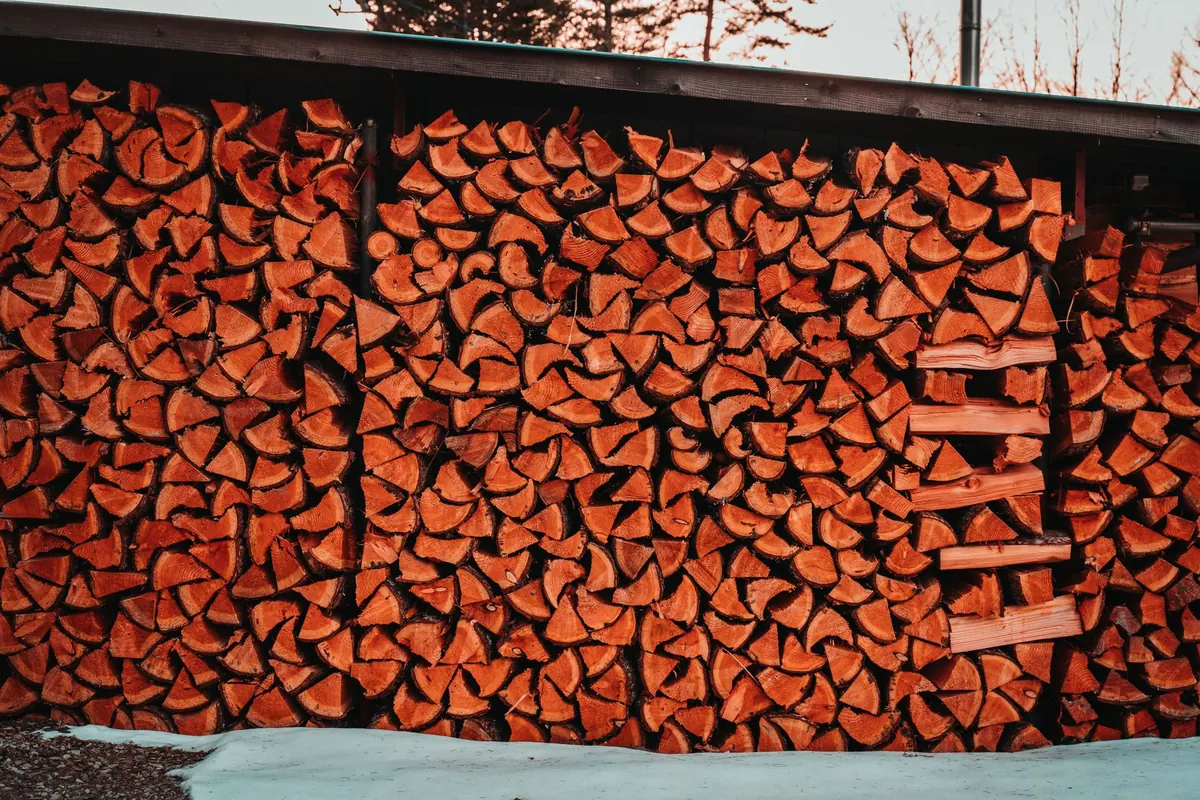
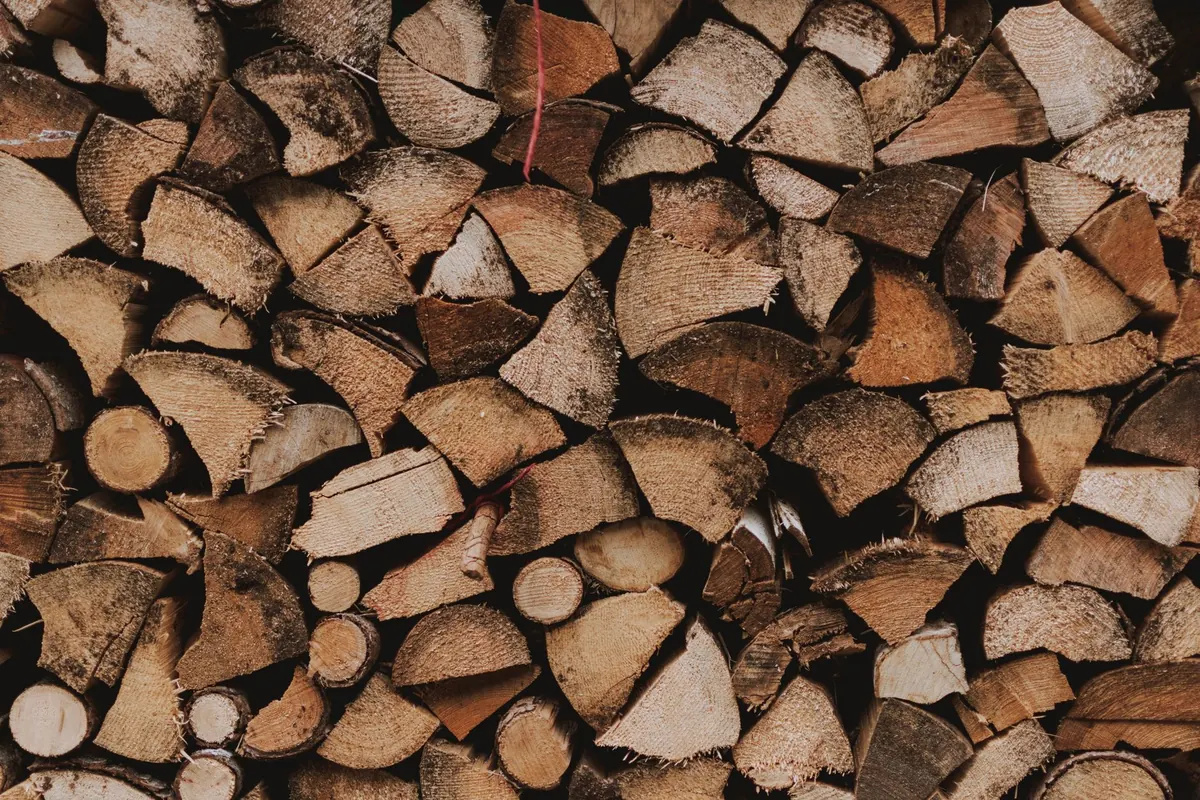
Everything else follows from the fuel. A log needs to be below about 20 per cent moisture content, and the closer it sits to 15 per cent the better. Wet wood spends most of its energy boiling off water, so you get steam, tar and a disappointing amount of heat. Kiln-dried logs are the easy answer if you have nowhere to season your own; otherwise split and stack hardwood for at least a year, and closer to two for oak.
Store them under cover but not sealed away: a stack with air moving through it, off the ground, and not pressed tight against a wall. Softwoods such as pine burn hot and fast, which makes them useful kindling, but hardwoods like ash, beech, oak and birch give the longer, steadier burn most people want. Never burn painted or treated timber, pallet offcuts or driftwood.
Most people pile kindling on top of paper and light it from underneath. Try the opposite. A top-down fire lets the flames work downwards through the fuel, warming the flue as they go, and it gives off far less smoke in the first ten minutes.
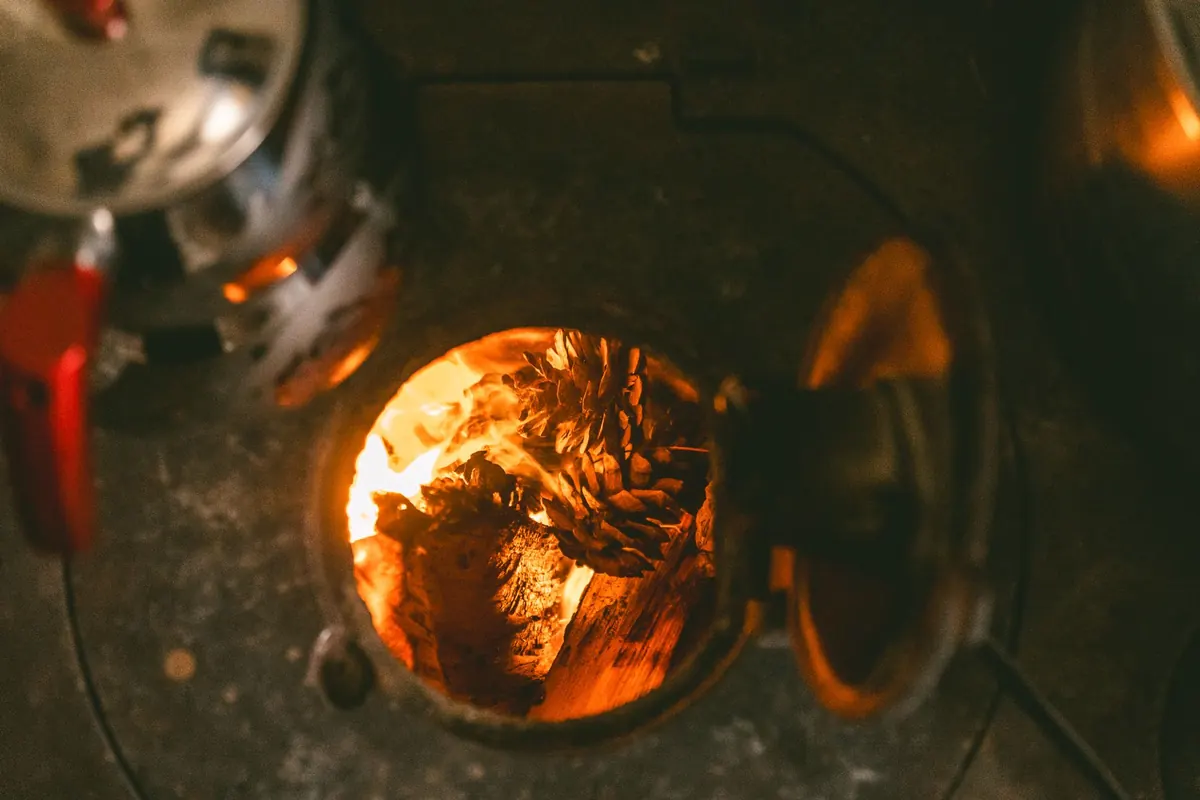
Stay with it. With the door cracked open the fire draws air hard, the flames take hold and the flue warms through. Once the kindling is burning confidently, usually after three or four minutes, add one or two small logs, close the door properly and keep the air open for a while longer.
If smoke rolls into the room instead of going up, the flue is cold or the draw is poor. Warm the flue first with a heat gun or a rolled newspaper torch, and check that no extractor fan or open upstairs window is pulling air down the chimney.
Almost every stove has two controls. Primary air comes in underneath the fire and is mainly for starting. Secondary air comes in above it, feeds the flames and washes down over the glass to keep it clear. Some models add a third, tertiary supply that burns off gases at the top of the firebox.
The pattern that works on most stoves is this: both vents open to light, then close the primary once the fire is established and control the burn with the secondary. More air means a hotter, faster fire; less air means a cooler, slower one. Close everything down completely and you are not controlling the fire, you are smothering it, which is how tar builds up in the flue. Vents differ between models, so check your own stove's manual.
Add wood to hot embers, not to the last flicker of a dying flame. Rake the embers level, lay two or three splits in a loose stack with air gaps between them, and open the air for a few minutes until the new logs catch. Then settle the vents back down. Smaller, more frequent loads burn cleaner than one enormous one, and logs around 7–10cm across give the best balance of flame and staying power.
A fire that will not burn is usually telling you about the wood or the draw, not about the size of the load.
As a habit, run the stove hot for twenty or thirty minutes once a day. That burns off light deposits in the flue and keeps the glass far easier to live with.
Build top-down, light it, stay for ten minutes, then let the fire do the work. Have the chimney swept at least once a year, and more often if you burn a lot or burn wood rather than smokeless fuel. If you live in a smoke control area, check the rules with your local council: in most cases you can only burn authorised smokeless fuels, or use a DEFRA-exempt appliance with dry wood. Get these basics right and the same basket of logs will give you more heat, less smoke and a good deal less sweeping.
Photo: Kadir Altıntaş / Pexels