Few garden purchases earn their keep quite like a fire pit. It stretches an evening out, gives a patio a focal point, and turns a chilly Saturday into something worth staying outside for. It can also, handled carelessly, scorch a fence, smoke out the neighbours and leave you with a pit full of half-burnt logs. Nearly every problem comes back to the same short list of mistakes, and all of them are avoidable.
A fire pit is not a log burner. There is no door, no baffle, no chimney pulling smoke up and away. That means fuel quality matters more, not less. Wet wood spends its energy boiling off water instead of burning, so you get a fire that hisses, spits and smoulders, produces thin heat and a lot of grey smoke, and leaves a sticky black residue on the bowl.
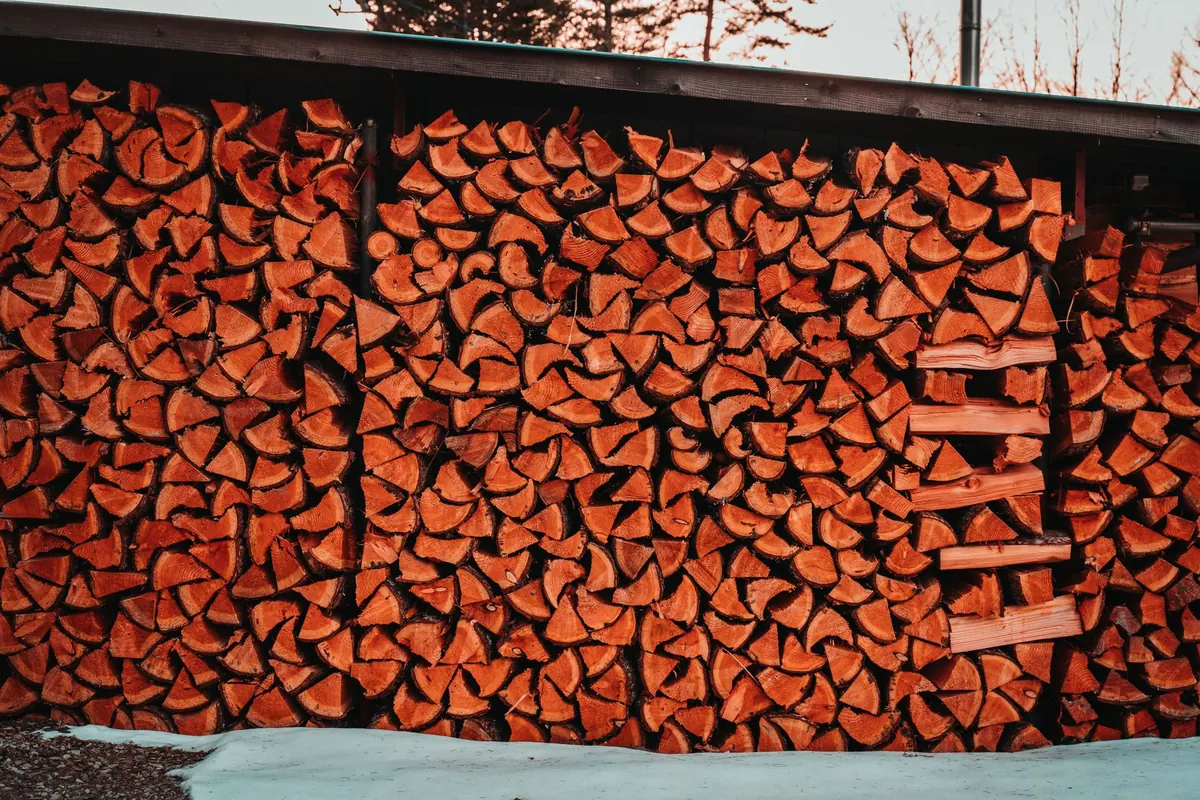
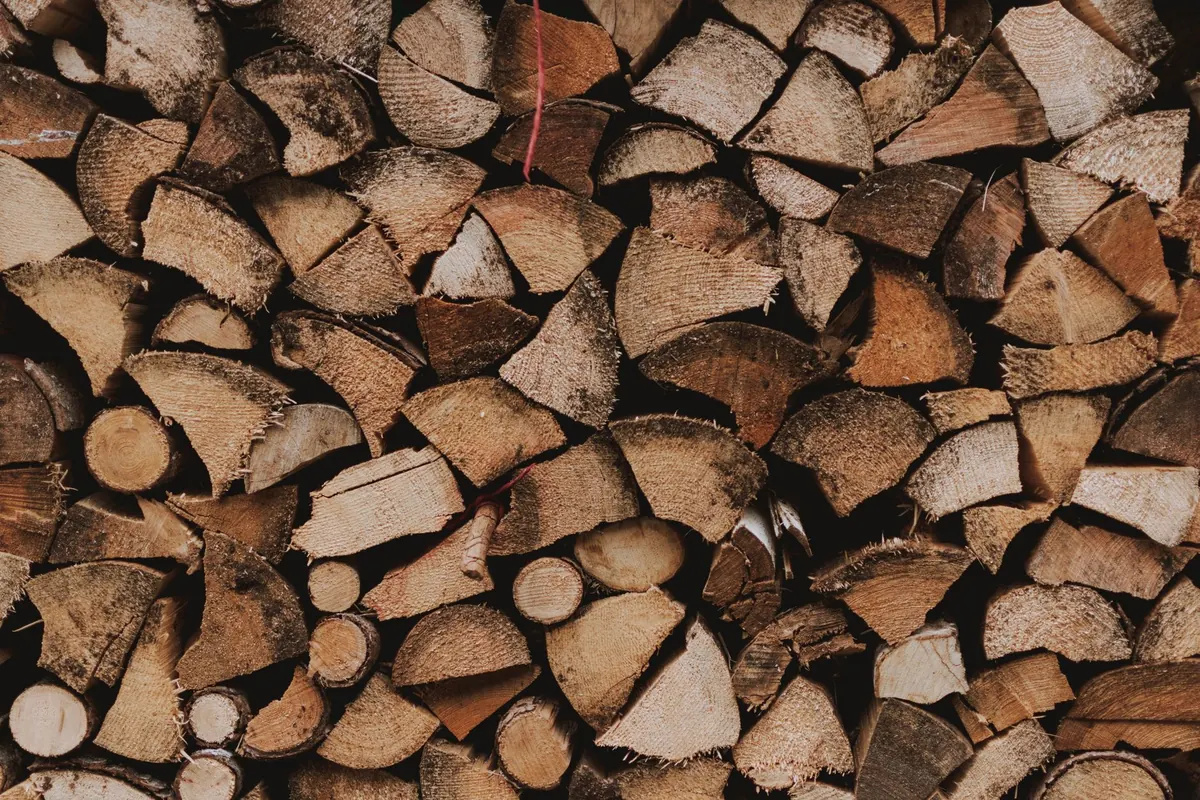
Wood sold as "seasoned" is not always ready. Split a log and test the freshly exposed inner face with a moisture meter; under about 20% is the usual target. If you do not have a meter, knock two logs together — dry wood rings, damp wood thuds — and look for visible cracks and pale, matt ends.
Storage makes the difference. Stack logs off the ground on a pallet or rack, cover the top but leave the sides open so air moves through. Wood left in a sealed bag or a cold shed stays damp for months.
While we are on fuel, a surprising amount of what people feed fire pits should never go in one:
Check the manufacturer's guidance before burning coal or charcoal in a pit designed for wood — some bowls handle it, others will not thank you for the extra heat.
This is the mistake that costs the most. Decking boards are dry, often softwood, and frequently treated or stained. A fire pit radiates heat downwards as well as upwards, and embers drop through the gaps between boards. Discolouration, cracking and scorch marks appear long before anything dramatic happens, and the boards stay weakened afterwards.
If you have no alternative, use a purpose-made stand with a genuine air gap and heat shield, sit it on a paving slab, and never leave it alone. Better still, choose a non-combustible surface: paving, brick, gravel or a concrete base. Move it well clear of fences, sheds, hedges, bins, garden furniture and overhanging branches — a couple of metres at minimum is a sensible working rule, and more if the wind is up.
Keep the pit on level ground and think about what is underneath. A permanent installation is worth a check for buried cables, irrigation pipes and gas runs; if you are unsure what is down there, ask a qualified tradesperson before you dig or build.
Smoke follows the wind, then drops as it cools. Before you light anything, stand where you plan to sit and work out where that smoke will land. Your own windows, a conservatory door, the washing line, a neighbour's patio — all of them are downwind of somebody's fire pit on the wrong evening.
Watch your garden over a few days and learn which way the prevailing breeze runs. Then position the pit so the smoke drifts away from seating rather than across it, and accept that on gusty nights the only sensible answer is not to light it at all. A spark screen or lid cuts down on swirling smoke and flying embers, particularly with shallow bowls.
A fire needs air as much as fuel. Filling the bowl to the rim, packing logs tight and lighting from the top of a mound all starve the flames, which is why so many fire pits smoke heavily for twenty minutes and then sulk.
Build small: a loose pyramid of kindling, a couple of dry logs with gaps between them, and space below the fuel for air to move. Add one or two logs at a time as the fire settles rather than emptying a whole net on at once.
Ash is the other quiet culprit. Leave a thin layer as insulation, but once it is a couple of centimetres deep and covering the air inlets, the pit will struggle. Empty it only when it is completely cold, into a metal container — never straight into a bin bag.
Petrol, paraffin, white spirit and barbecue fluid have no place near a fire pit. The flashback risk is real, and topping up a dying fire with spirit is how people lose eyebrows. Use natural firelighters, dry kindling and a long match or gas lighter.
Keep a bucket of water, a bag of sand or a connected hosepipe within reach, along with gloves and long-handled tongs. Never use a fire pit indoors, in a tent, in a garage or under a canopy — burning wood and charcoal produces carbon monoxide, which is invisible and potentially fatal. A fire pit is not a space heater.
Equally, never leave a lit fire unattended. Embers travel. When you are finished, spread the logs, douse from a distance, stir the ash and douse again. It should be cold to the touch before you go inside.
Smoke is the single most common reason a fire pit turns into a disagreement. Mention it to neighbours before a big evening, avoid lighting up when their washing is out, and keep sessions short and sensible during dry spells, when a stray spark can do real damage to tinder-dry grass.
Rules vary across the UK, and smoke control areas place extra limits on what can be burned. If you are unsure what applies where you live, check your local council's guidance. Flats and rented properties may also have lease or tenancy conditions about balconies and shared gardens. Where smoke is regularly affecting someone's home, it can become a formal nuisance complaint, so it pays to be considerate rather than defensive.
None of this takes long, and it is the difference between an evening that works and one you spend moving seats.
Get those habits in place and the fire pit becomes what it should be: the reason you stay outside an hour longer than you meant to.
Photo: jamie410 / Pixabay